
Battling Invasive Carp in the Tennessee River System — New Incentives for 2026
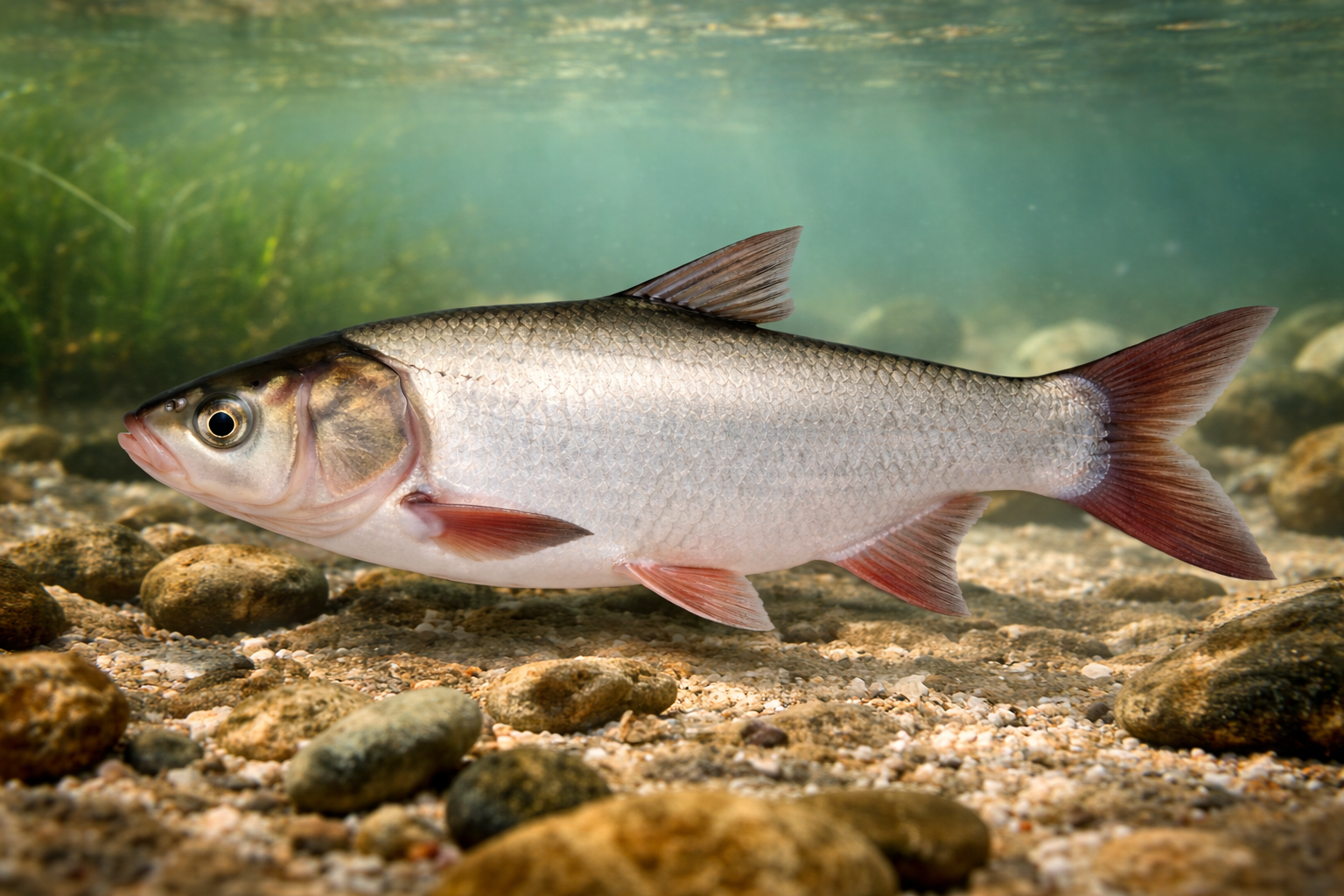
The Tennessee River system — a lifeline of biodiversity, recreation, and commerce — has long faced a pressing ecological challenge: invasive carp. Species like silver carp, bighead carp, black carp and grass carp are non-native and highly prolific. They outcompete native fish for food, alter aquatic ecosystems, and even pose safety risks to boaters when startled they jump powerfully out of the water.
Why Invasive Carp Are a Problem
Invasive carp were introduced decades ago and have since spread throughout much of the Mississippi River basin, including the Tennessee and Cumberland Rivers and their reservoirs. These fish reproduce quickly and consume vast amounts of plankton — the foundation of the aquatic food web — which starves native species like bass, crappie, and catfish. Their explosive jumps can also injure boaters and disrupt recreational activities.
Commercial harvest has been one of the most effective tools in suppressing carp populations. Partnering state and federal agencies are removing millions of pounds of invasive carp annually from the Tennessee and Cumberland Rivers.U.S. Fish and Wildlife Service
How Harvest Incentive Programs Work
Harvest incentive programs pay commercial fishers for removing invasive carp from waterways. These programs are crucial because:
- They reduce carp biomass — lowering competition with native species and improving overall ecosystem health.
- They support local economies by providing revenue for commercial fishers and processors.
- They encourage innovation in fishing methods that target invasive species while minimizing bycatch of natives.
2026 Commercial Fishing Incentives in Kentucky
For 2026, Kentucky is stepping up its efforts on two of the Tennessee River system’s largest reservoirs — Kentucky Lake and Lake Barkley.
The Kentucky Department of Fish and Wildlife Resources recently announced an increase in its commercial fishing incentive for invasive carp. Commercial fishers will now be paid 15 cents a pound for invasive carp harvested from Kentucky Lake and Lake Barkley, up from 10 cents per pound in 2025.
This boost in payment aims to:
- Maintain harvest pressure on carp populations that continue to threaten native species and aquatic habitats.
- Encourage commercial fishers to sustain high removal rates, even as carp densities change.
- Support the local economy, including the sportfishing and tourism industries that depend on healthy waters.Kentucky Department of Fish & Wildlife
In 2024 alone, fishermen harvested more than 15 million pounds of invasive carp through Kentucky’s program, pushing the total to over 74 million pounds removed since 2013.Kentucky Department of Fish & Wildlife
Tools and Techniques Enhancing Carp Control
Beyond financial incentives, managers are employing cutting-edge tools like the BioAcoustic Fish Fence at Barkley Dam. This system uses sound, light, and bubbles to deter carp from migrating upstream, effectively reducing upstream movement by around 50%. Experimental commercial fishing methods and specialized gear are also being tested to increase removal efficiency while protecting native fish.
Looking Ahead
While carp removal is making measurable gains — catch rates and young silver carp detections have declined — these fish remain a formidable invader. Sustained removal efforts, coupled with innovative deterrents and expanded incentive programs like Kentucky’s 2026 bump to $0.15/lb, are critical for protecting the ecological and recreational value of the Tennessee River watershed. Learn more here.
Recent Comments